Opportunities in the Copper Market
This newsletter will explore some of the short-term headwinds and long-term opportunities in the copper market.

The copper market may be positioned to enter a new bull market, following stellar performance since the early 2020s. While there are many short-term headwinds, which may cause prices to decline, there are still many long-term catalysts in place.
This newsletter will explore some of the short-term headwinds and long-term opportunities in the copper market.
Opportunities in the Copper Market
Copper has entered a massive bull market this decade, and many analysts are pointing to stronger growth in the market due to the potential for long term growth sources in the upcoming decades.
During the past decade, the price of copper has soared from around $2/lb to nearly $6/lb. Copper mining stocks entered a massive bull market at the beginning of 2020, outperforming the MSCI All Country World Index by over 300 percentage points between August 2016 and January 2026.
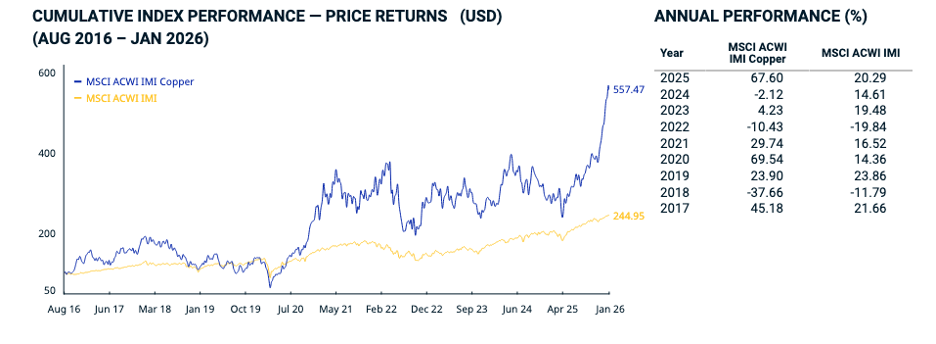
Of course, many are wondering if this rally is running out of steam and whether now is a good time to consider copper mining stocks.
While caution is befitting after a major run in any commodity, it still appears like the long-term catalysts are in play for the copper market. It could be wise to take advantage of any potential dips in the market in 2026 and 2027.
Short Term Outlook
One of the most important things to do is examine the short-term sentiment of the market, as copper stocks have rallied a lot since 2020 and could be due for pullbacks this year.
Latest projections from Goldman Sachs are calling for the price of copper to correct during the second half of the year. This move would still leave copper prices near their 2024 high, still above the all-in sustaining cost of some key copper mining projects.
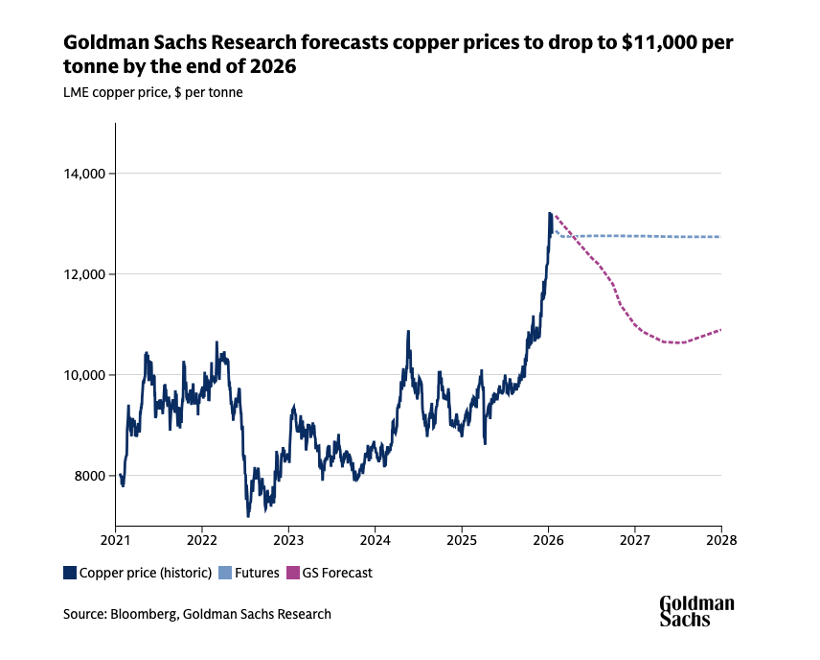
The copper price has had a strong run recently due to the projected AI and green energy demand, coupled with increased buying activity from companies that chose to stockpile in anticipation of future tariffs on copper.
On a positive front, any unexpected geopolitical shocks in 2026 could interrupt the supply of copper, which could help support the price of copper this year. While the price of copper could decline this year, the consensus is that copper will likely remain near its multi-year highs and that there are likely enough long-term catalysts to support sentiment for copper equities this decade.
Multiple Demand Sources
Previous narratives around the copper market bull case have centered around construction demand and increased demand from emerging markets like China. These were some of the catalysts during the last commodities boom of the 2000s.
Traditional demand sources like power transmission and generation, building wires, electronics products, and telecom products still account for the majority of the current demand. However, there are plenty of new catalysts that have been driving the market, including new initiatives like green energy, EVs, and AI developments.
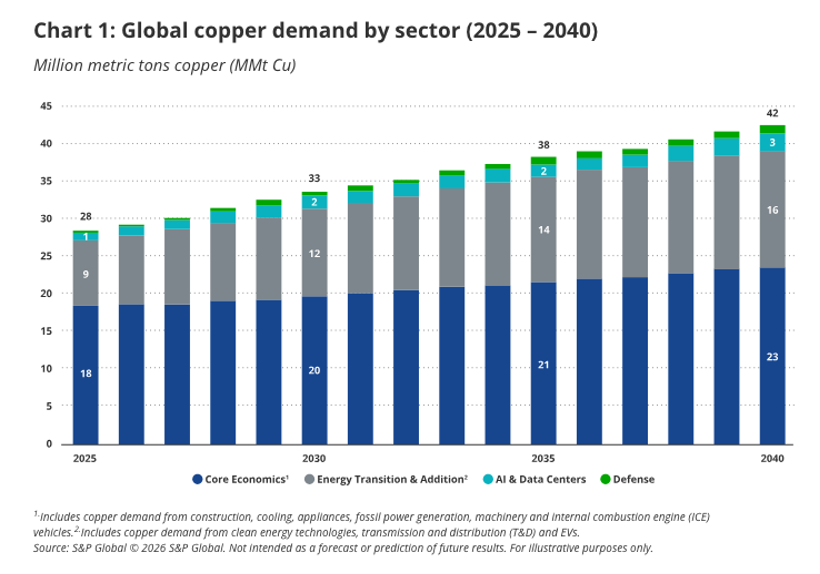
These measures, coupled with traditional demand sources, should support the market this time around, resulting in a more broad-based demand in the copper market.
Long Term Thesis Appears to be Intact
There are multiple long-term demand sources that may be able to support the copper market in the long run. Apart from the demand from data centers and EVs, other potential catalysts include increased demand from Asian countries like India and China, demand from low-carbon energy projects, and rising geopolitical pressure to secure copper.
The electric vehicle industry alone could be a massive source of growth if EV penetration rates continue to rise. According to IEF, the supply of global mines needs to increase 55% to supply the global electric vehicle fleet.
SP Global recently noted that there would be a strong deficit in the copper market by 2040 if supply does not pick up to meet the projected demand.
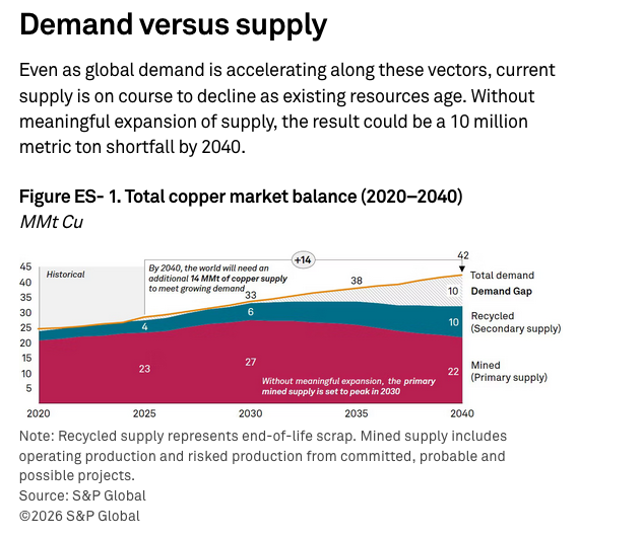
This potential 10 million metric ton shortfall would have a strong impact on the copper industry, potentially causing a massive price spike.
Overall, there are credible concerns about a supply deficit in the long term, especially if EV and AI demand continue to pressure the market. Existing copper mining equities will need to ramp up production to meet this potential demand, and they are in a much better position to do so now that prices have recovered from the lows of the last decade.
Investments to Consider
Betting on individual mining companies carries a lot of risk due to geographical factors and other company-specific risks. A disruption in just a single country in which a company operates could have a massive impact on its financial performance.
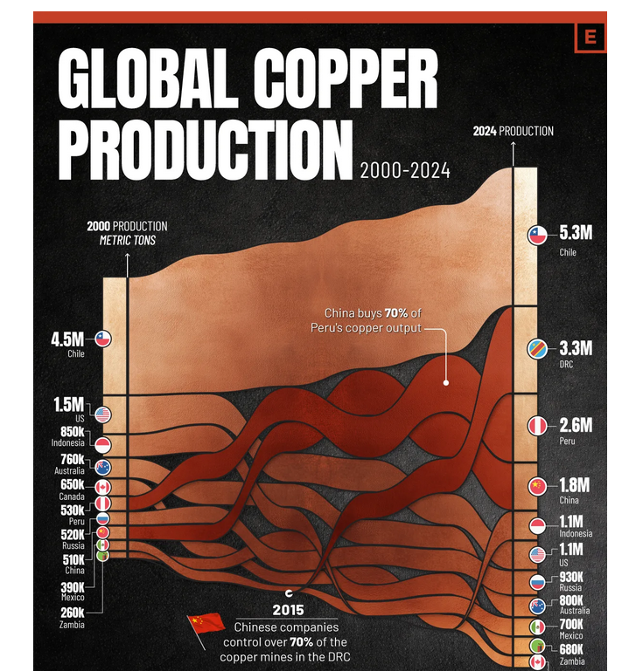
The Global X Copper Miners ETF is a great place to start. This ETF invests in over 40 copper mining companies, including leading industry giants like BHP Group, Glencore, and Freeport McMoran.
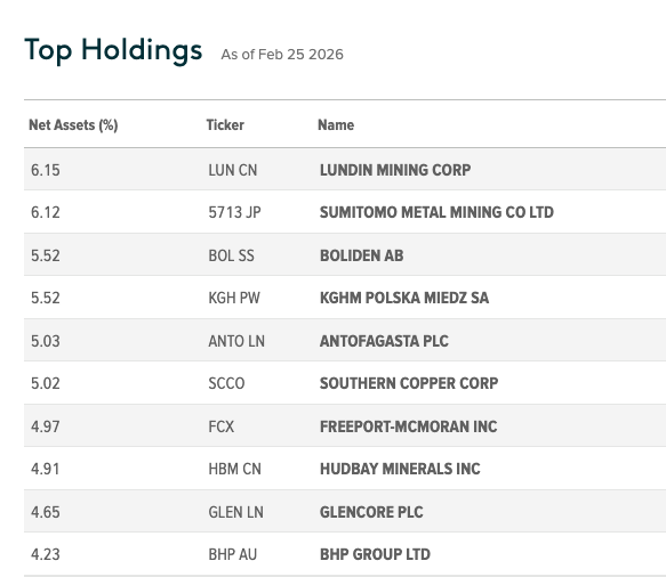
The iShares Copper and Metal ETF is another ETF to consider, but this ETF focuses on both copper mining and metal ore mining companies. However, these ETFs share many of the same top 10 holdings and may have somewhat similar performance due to their common exposure to copper mining equities.
It may be ideal to seriously consider some of the industry headwinds impacting the copper industry, which may cause copper mining equities to pull back in the coming quarters. However, the demand catalyst ahead is more broad-based relative to historical cycles of the 2000s, and the long term demand for copper should continue to support equity sentiment in this industry.